
Perimenopause & Menopause: Why You Don’t Feel Like Yourself (Even When Your Labs Are Normal)
October 21, 2026
Are you constantly exhausted, struggling to sleep, experiencing mood swings, or feeling like your body is changing in ways you can’t explain?
Maybe you’ve visited your doctor, had bloodwork done, and been told everything looks normal. But deep down, you know something feels different.
For many women, these changes begin during perimenopause, the transitional years leading up to menopause. Understanding what’s happening inside your body can help you navigate this stage of life with greater confidence.
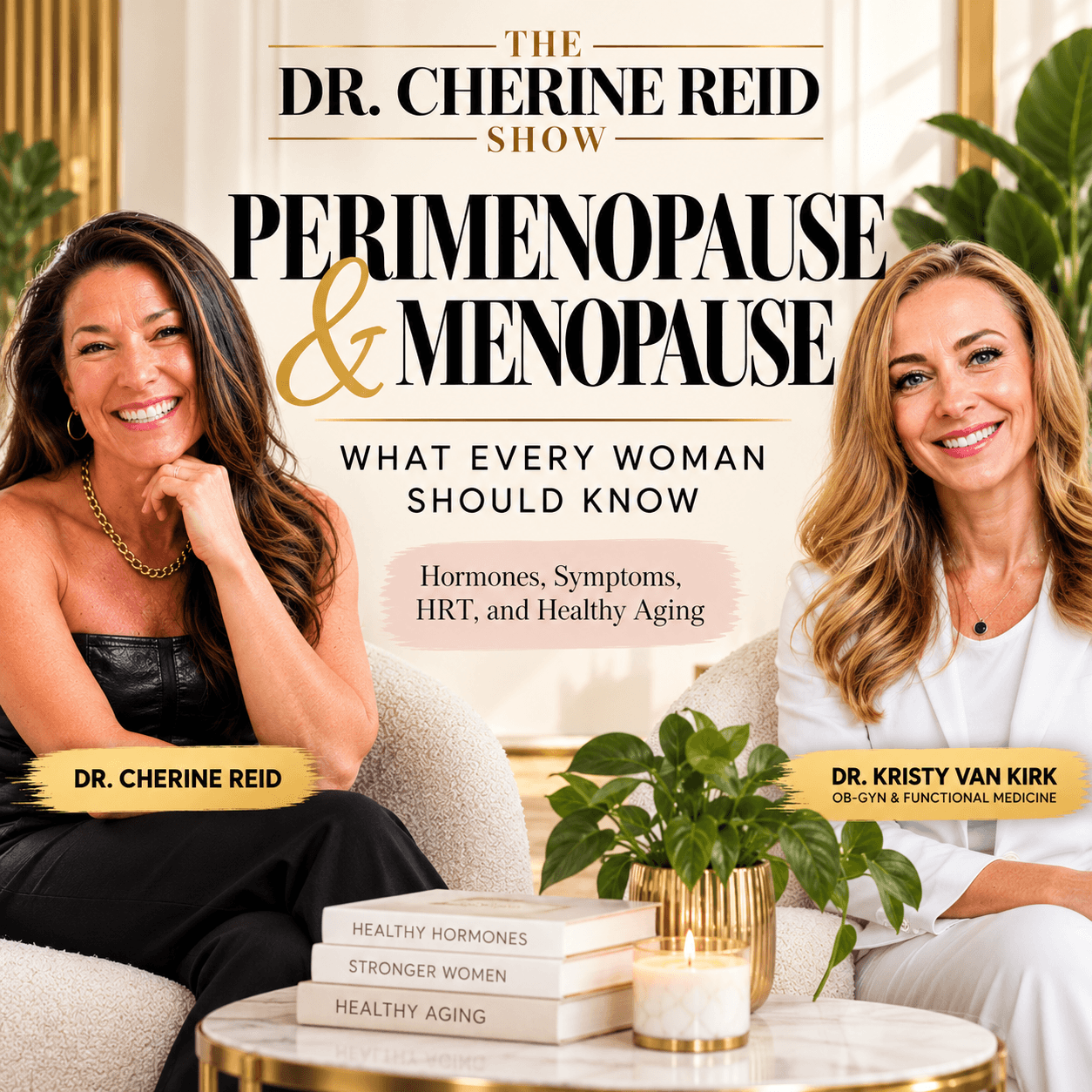
In a recent episode of The Dr. Cherine Reid Show, Dr. Cherine sits down with Dr. Kristy Van Kirk, a former OB-GYN turned functional and integrative medicine practitioner, to explore women’s hormone health, perimenopause, menopause, hormone replacement therapy (HRT), and the lifestyle habits that support healthy aging.
Their conversation highlights an important message: Getting older doesn’t mean you should stop asking questions about how you feel.
What Happens to Your Hormones During Perimenopause?
Perimenopause is the transitional stage before menopause when reproductive hormones, particularly estrogen and progesterone, begin to fluctuate.
For some women, these changes are subtle. For others, they can significantly affect everyday life.
Common symptoms include:
- Irregular menstrual cycles
- Hot flashes and night sweats
- Difficulty falling or staying asleep
- Mood swings, irritability, or increased anxiety
- Brain fog and difficulty concentrating
- Fatigue and changes in energy levels
- Vaginal dryness or changes in libido
Because hormone levels can fluctuate throughout perimenopause, symptoms may appear and disappear unpredictably.
This is one reason many women find the experience frustrating. They may feel great one week and completely different the next.
Understanding these hormonal fluctuations is an important first step toward managing symptoms.
Why Do You Feel Exhausted When Your Labs Are Normal?
One of the most common frustrations women experience is feeling unwell despite receiving normal laboratory results.
During perimenopause, estrogen and progesterone levels can fluctuate considerably, meaning a single hormone test may not fully reflect what’s happening throughout the menstrual cycle.
Additionally, symptoms such as fatigue, poor sleep, and brain fog can have multiple contributing factors, including stress, thyroid conditions, nutritional deficiencies, and other health concerns.
This is why evaluating the full picture matters.
In their conversation, Dr. Cherine and Dr. Kristy discuss the importance of considering symptoms, medical history, lifestyle habits, and appropriate testing rather than relying on one number alone.
If you’re experiencing persistent symptoms, talk with a qualified healthcare professional who can help evaluate possible causes and discuss your options.
The Connection Between Hormones, Sleep, and Mood
Have you noticed that your sleep isn’t what it used to be?
Maybe you’re waking up in the middle of the night, struggling to fall asleep, or feeling tired even after spending eight hours in bed.
Hormonal changes during perimenopause and menopause can contribute to disrupted sleep, particularly when night sweats and hot flashes are involved.
Poor sleep can also affect mood, concentration, and daytime energy.
Over time, this combination can make everyday responsibilities feel more challenging.
Supporting better sleep may involve consistent bedtime routines, regular physical activity, stress management, and discussing persistent symptoms with your healthcare provider.
Quality sleep isn’t a luxury. It’s an important part of your overall health and well-being.
Estrogen, Progesterone, and Testosterone: Why They Matter
When discussing women’s hormone health, estrogen and progesterone often receive the most attention.
However, testosterone also plays a role in women’s health.
Estrogen
Estrogen contributes to reproductive health, bone maintenance, and several other functions throughout the body. Declining estrogen levels during menopause are associated with symptoms such as hot flashes and vaginal dryness.
Progesterone
Progesterone plays an important role in the menstrual cycle and reproductive health. Its production changes as ovulation becomes less predictable during perimenopause.
Testosterone
Although commonly associated with men, women also produce testosterone. It contributes to sexual function and other physiological processes.
Dr. Cherine and Dr. Kristy discuss these hormones and why understanding their changing roles can help women have more informed conversations about their health.
What Should Women Know About Hormone Replacement Therapy?
Hormone replacement therapy, also called menopausal hormone therapy, is an important topic in today’s women’s health conversations.
In the podcast, Dr. Kristy and Dr. Cherine explore different approaches, including estrogen, progesterone, bioidentical hormones, and testosterone therapy.
For some women, menopausal hormone therapy can be an effective treatment for symptoms such as hot flashes and night sweats.
However, treatment decisions should be individualized.
A healthcare professional should consider factors such as age, medical history, symptoms, personal preferences, and potential risks before recommending treatment.
Not every woman needs hormone therapy, and not every treatment is appropriate for everyone.
The goal is to understand your options and make informed decisions with your healthcare provider.
Why Muscle Health Becomes More Important as Women Age
Hormones aren’t the only focus of healthy aging.
Muscle health plays a major role in maintaining strength, mobility, balance, and independence throughout life.
As women age, preserving muscle mass becomes increasingly important.
Dr. Cherine and Dr. Kristy discuss the value of strength training, movement, and nutrition in supporting long-term health.
A few foundational habits include:
- Incorporating resistance training into your weekly routine
- Eating adequate protein to support muscle maintenance
- Staying physically active throughout the day
- Prioritizing recovery and quality sleep
- Maintaining consistent, sustainable wellness habits
Creatine is also discussed in the episode as a supplement commonly used to support strength and exercise performance.
While supplements may complement a healthy lifestyle, they cannot replace the benefits of regular movement, balanced nutrition, and appropriate medical care.
The Role of Nutrition, Gut Health, and Stress
Hormone health doesn’t exist in isolation.
Daily habits can influence how you feel throughout perimenopause and menopause.
Dr. Cherine and Dr. Kristy discuss how nutrition, digestive health, stress, and lifestyle choices fit into a broader approach to wellness.
Simple habits that may support overall health include:
Prioritize fiber-rich foods. Fruits, vegetables, whole grains, and other fiber sources help support digestive health.
Stay hydrated. Adequate fluid intake supports normal bodily functions and physical activity.
Move consistently. Walking, resistance training, and other enjoyable activities can support cardiovascular health, strength, and mood.
Manage stress. Finding time for relaxation, meaningful relationships, and activities you enjoy can support emotional well-being.
Create a consistent sleep routine. Regular sleep and wake times can help support healthier sleep habits.
Small, sustainable choices often matter more than chasing the latest wellness trend.
You Don’t Have to Navigate Menopause Alone
One of the most important takeaways from this conversation is that women deserve to feel heard when discussing changes in their bodies.
Perimenopause and menopause are natural biological transitions, but that doesn’t mean symptoms should automatically be dismissed.
Whether you’re experiencing fatigue, disrupted sleep, hot flashes, mood changes, or concerns about your long-term health, asking questions and seeking appropriate support can make a meaningful difference.
Understanding your body is an important part of taking ownership of your health.
And healthy aging is about more than adding years to your life.
It’s about supporting your strength, confidence, and quality of life along the way.
Listen to the Full Conversation on The Dr. Cherine Reid Show
Want to learn more about perimenopause, menopause, hormone replacement therapy, testosterone, nutrition, and healthy aging?
Join Dr. Cherine Reid and Dr. Kristy Van Kirk for an educational conversation about women’s hormones and the questions every woman should feel empowered to ask.
🎙️ Episode: Perimenopause & Menopause — Hormones, HRT & What Every Woman Should Know
[Listen on Spotify](INSERT SPOTIFY EPISODE LINK)
[Listen on Apple Podcasts](INSERT APPLE PODCAST EPISODE LINK)
Follow The Dr. Cherine Reid Show for new episodes every Monday covering longevity, women’s health, nutrition, fitness, hormones, and whole-body wellness.
Because your health matters at every stage of life.
Medical Disclaimer: This article is for educational purposes only and is not intended to diagnose, treat, cure, or prevent any medical condition. Always consult a qualified healthcare professional regarding symptoms, hormone therapy, supplements, and individualized treatment decisions.